
Premenstrual Syndrome (PMS)
PMS is common, but struggling doesn’t have to be

Support for physical & emotional PMS symptoms
Explore the factors contributing to your symptoms
Personalized nutrition, lifestyle & hormone support
Feel more balanced throughout your cycle

Your cycle shouldn’t control how you feel every month.
Premenstrual syndrome (PMS) refers to a group of physical, emotional, and behavioural symptoms that occur during the luteal phase of the menstrual cycle - the one to two weeks before your period - and typically improve once menstruation begins.
While PMS is very common, symptoms can vary significantly from person to person. For some women, PMS may be a mild inconvenience. For others, symptoms can affect mood, energy, sleep, relationships, work, and overall quality of life.
At True Health, we take an individualized, whole-person approach to PMS. Rather than simply managing symptoms each month, we look at the factors that may be contributing to your symptoms and develop a treatment plan based on your unique health history, menstrual cycle, nutrition, stress levels, and hormone health.
Common symptoms of PMS
Mood swings, irritability, or anger
Anxiety, low mood, or feeling overwhelmed
Fatigue and low energy
Bloating and digestive changes
Breast tenderness
Headaches or migraines
Acne or other skin changes
Muscle or joint aches
Changes in appetite or food cravings
Trouble sleeping
Difficulty concentrating
Fluid retention or temporary weight gain
Changes in libido
Social withdrawal
Mood swings, irritability, or anger Anxiety, low mood, or feeling overwhelmed Fatigue and low energy Bloating and digestive changes Breast tenderness Headaches or migraines Acne or other skin changes Muscle or joint aches Changes in appetite or food cravings Trouble sleeping Difficulty concentrating Fluid retention or temporary weight gain Changes in libido Social withdrawal


What causes PMS?
The exact cause of PMS is not fully understood. However, symptoms appear to be related to the body's sensitivity to the normal hormonal changes that occur throughout the menstrual cycle.
Estrogen and progesterone fluctuate significantly after ovulation, and these changes can influence neurotransmitters such as serotonin, as well as sleep, appetite, energy, and mood.

Tracking your symptoms can help
Because PMS follows the menstrual cycle, tracking your symptoms can be a helpful way to identify patterns and understand how you’re feeling throughout the month.
Keep track of when your period starts, when symptoms appear and resolve, as well as changes in mood, energy, sleep, appetite, digestion, pain, breast tenderness, and stress. Tracking your symptoms for at least two cycles can give you and your practitioner valuable insight into your unique patterns and help guide your care.

How Naturopathic Medicine can help
Naturopathic medicine focuses on identifying and addressing the factors that may be contributing to your symptoms while supporting the body's natural processes.
Your treatment plan may include a combination of:
Nutrition & Lifestyle
Dietary changes can help support stable blood sugar, reduce inflammation, and provide the nutrients needed for healthy hormone and neurotransmitter function. Your practitioner may also recommend changes to caffeine, alcohol, sugar, and other dietary factors depending on your symptoms.
Regular movement, restorative sleep, stress management, and adequate hydration can also make an important difference.
Nutritional Support
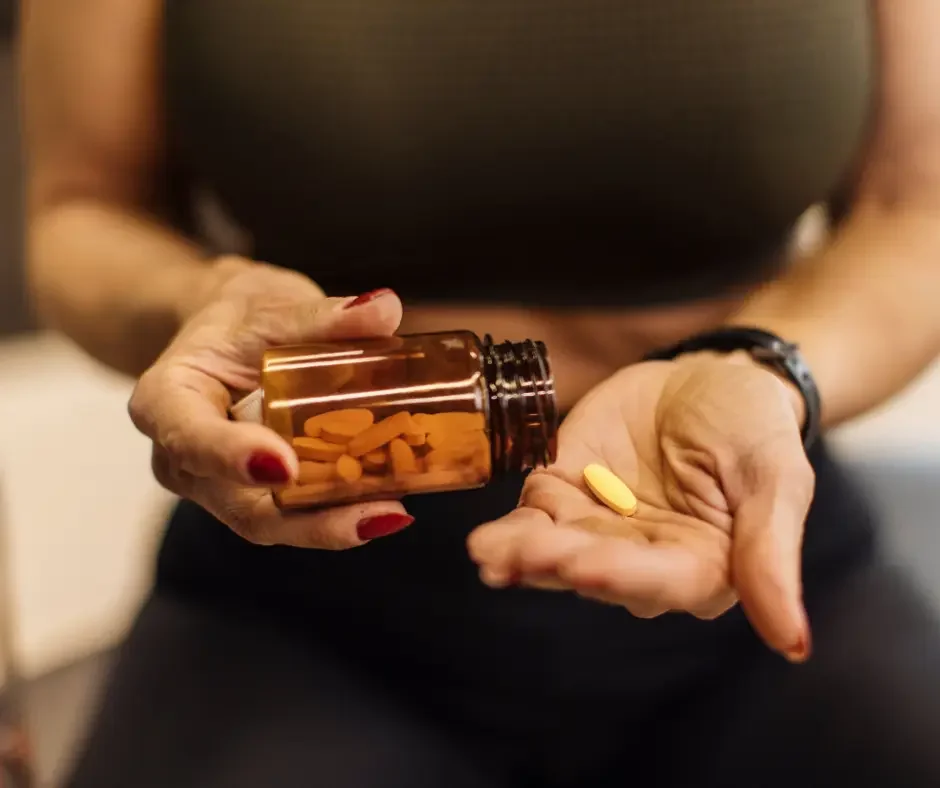
Targeted nutrients may be recommended based on your individual needs. Magnesium, calcium, vitamin B6, and other nutrients may be considered as part of a comprehensive PMS treatment plan.
Herbal Medicine
Certain herbs have traditionally been used to support menstrual and hormone health. Vitex (chaste tree) is one example that has been studied for PMS symptoms. Herbal medicine should be individualized, particularly if you take medications or have other health conditions.
Hormone Support
For some patients, hormone therapy may be considered as part of a broader treatment plan. Hormone therapy is individualized and should be discussed with an appropriately qualified healthcare professional based on your symptoms, health history, and treatment goals.
Step 1
Book your Initial Consultation
Book a one-on-one visit with one of our NDs
Review your health history, symptoms, and goals
Receive thoughtful, collaborative care centered around you
Take the first step toward long-term wellness and healing
Step 2
Personalized Testing & Treatment
Advanced medical and functional testing when appropriate
Explore potential root causes contributing to symptoms
Gain deeper insight into your health and overall wellness
Receive a personalized treatment plan tailored to your body and lifestyle
Step 3
Ongoing Support for Lasting Wellness
Continued guidance and personalized support
Improve energy, mood, sleep, and overall well-being
Build sustainable habits for long-term health
Feel better and function better in daily life
Your cycle shouldn’t control your life.
If you feel like you are living one version of yourself for part of the month and a completely different version during the days before your period, your experience is real and worth investigating.
You deserve more than being told that severe PMS is something you simply have to live with.
Our team is here to help you understand your symptoms, identify contributing factors, and create a personalized plan that helps you feel more stable, supported, and like yourself throughout your cycle.