
PMDD
When your cycle affects how you feel

Severe premenstrual mood & physical symptoms
Symptoms follow a predictable cycle
More than “just bad PMS”
Personalized, whole-person support
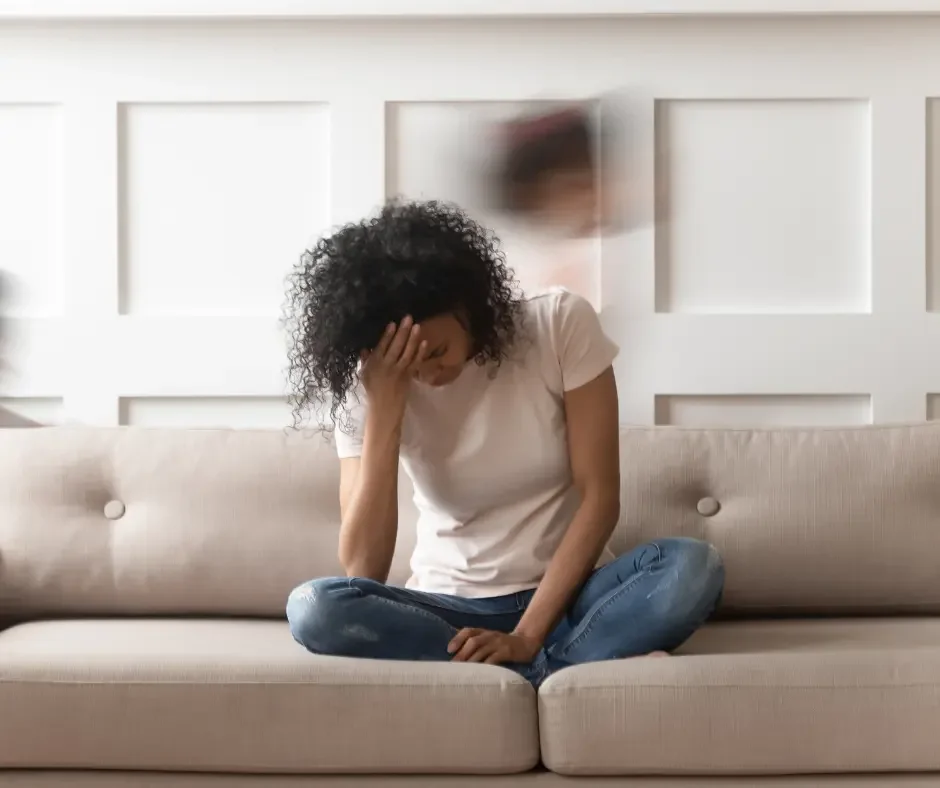
You don’t have to lose yourself every month.
You’ve likely heard of PMS (premenstrual syndrome), but if the days leading up to your period feel like a dramatic shift in your mood, energy, relationships, and sense of self, you may be experiencing something more than typical PMS.
Premenstrual dysphoric disorder (PMDD) is a severe, cyclical condition characterized by significant emotional, behavioural, cognitive, and physical symptoms during the luteal phase of the menstrual cycle. While PMS is common, PMDD is less common and can have a profound impact on quality of life.
If you dread the week or two before your period because of intense irritability, anxiety, mood swings, sadness, fatigue, bloating, pain, or feeling unlike yourself, you are not being dramatic, and you don’t have to simply accept these symptoms as part of having a menstrual cycle.
PMS vs. PMDD: What’s the Difference?
PMS and PMDD can share many of the same symptoms, but the intensity and impact are different.
PMS may cause symptoms such as bloating, breast tenderness, cramping, headaches, fatigue, food cravings, irritability, and mood changes during the days before your period.
PMDD involves more severe emotional and behavioural symptoms that can significantly interfere with relationships, work, home life, and daily activities.
Common symptoms of PMDD include:
Severe irritability, anger, or conflict
Anxiety, tension, or feeling constantly on edge
Depression, sadness, or hopelessness
Significant mood swings or tearfulness
Feeling overwhelmed or out of control
Loss of interest in usual activities
Difficulty concentrating or brain fog
Extreme fatigue or changes in sleep
Changes in appetite or food cravings
Bloating, breast tenderness, headaches, or body pain
Severe irritability, anger, or conflict Anxiety, tension, or feeling constantly on edge Depression, sadness, or hopelessness Significant mood swings or tearfulness Feeling overwhelmed or out of control Loss of interest in usual activities Difficulty concentrating or brain fog Extreme fatigue or changes in sleep Changes in appetite or food cravings Bloating, breast tenderness, headaches, or body pain


What causes PMDD?
PMDD is not simply caused by having “too much” or “too little” of a particular hormone.
Current understanding suggests that people with PMDD may have an increased sensitivity to the normal hormonal fluctuations that occur after ovulation. Changes in estrogen and progesterone can influence brain chemistry and neurotransmitter systems involved in mood, including serotonin.
The exact reasons some people develop this heightened sensitivity are not fully understood. Genetics, reproductive hormones, stress, and other individual factors may play a role.

PMDD or something else?
One of the most important parts of evaluating severe premenstrual symptoms is determining whether PMDD is the underlying condition - or whether another condition is being amplified before your period.
This distinction matters because PMDD symptoms are strongly cyclical. If significant symptoms continue throughout the entire month and simply become worse before your period, your experience may be better described as premenstrual exacerbation of another condition rather than PMDD.
A thorough assessment can help clarify what is actually happening.
Our approach to PMDD care
If your premenstrual symptoms are ruling your life, you don’t have to keep guessing why.
At True Health, we take the time to understand your individual cycle, symptoms, health history, and goals. Our approach may include detailed symptom tracking, laboratory testing when appropriate, nutrition and lifestyle guidance, and individualized naturopathic support.
We look at the whole picture rather than treating symptoms in isolation.
This may include exploring factors related to:
Hormone & Cycle Health
Understanding your menstrual cycle and the relationship between ovulation, hormonal fluctuations, and your symptoms.
Nutrition & Metabolic Health
Supporting stable blood sugar, adequate nutrient intake, and overall metabolic health through realistic, sustainable strategies.
Stress & Nervous System Health
Considering how chronic stress, sleep disruption, and nervous-system regulation may influence mood and resilience throughout your cycle.
Individualized Support
Developing a plan that fits your symptoms, lifestyle, preferences, and goals, with ongoing monitoring and adjustments as needed.
PMDD can be complex, and there is no single approach that works for everyone. In some cases, pharmaceutical treatment may be an important part of care, particularly when symptoms are severe. Integrative care can work alongside conventional medical treatment when appropriate.

Step 1
Book your Initial Consultation
Book a one-on-one visit with one of our NDs
Review your health history, symptoms, and goals
Receive thoughtful, collaborative care centered around you
Take the first step toward long-term wellness and healing
Step 2
Personalized Testing & Treatment
Advanced medical and functional testing when appropriate
Explore potential root causes contributing to symptoms
Gain deeper insight into your health and overall wellness
Receive a personalized treatment plan tailored to your body and lifestyle
Step 3
Ongoing Support for Lasting Wellness
Continued guidance and personalized support
Improve energy, mood, sleep, and overall well-being
Build sustainable habits for long-term health
Feel better and function better in daily life
Your cycle shouldn’t control your life.
If you feel like you are living one version of yourself for part of the month and a completely different version during the days before your period, your experience is real and worth investigating.
You deserve more than being told that severe PMS is something you simply have to live with.
Our team is here to help you understand your symptoms, identify contributing factors, and create a personalized plan that helps you feel more stable, supported, and like yourself throughout your cycle.