
Food Sensitivities
Discover how food may be affecting your health and wellbeing

Food sensitivities may contribute to bloating, fatigue, and inflammation
Symptoms can appear hours or days after eating trigger foods
A root-cause approach helps uncover food-related symptoms
Personalized testing and nutrition support long-term wellness
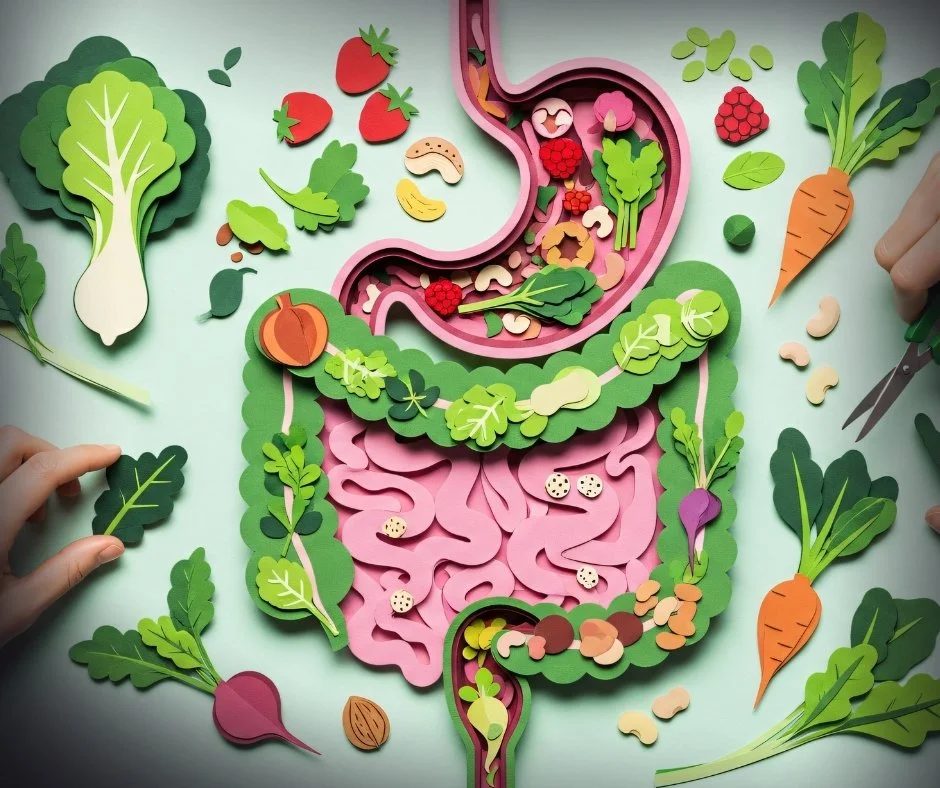
Support for digestion, energy, skin health, and inflammation.
Food sensitivities can affect the body in many different ways and are often linked to symptoms that may not seem food-related at first. Unlike food allergies, which cause an immediate immune response, food sensitivities are often delayed and can contribute to chronic inflammation throughout the body. This can make them difficult to identify without a deeper investigation into your health history, symptoms, and diet.
We take a thoughtful, root-cause approach to food sensitivities and digestive health. Our goal is not simply to eliminate foods unnecessarily, but to better understand what may be contributing to inflammation, digestive concerns, and ongoing symptoms.
Signs you might have a food sensitivity
Bloating
Gas
Abdominal discomfort
Constipation
Diarrhea
Brain fog
Fatigue
Acne
Eczema
Joint pain
Inflammation
Weight fluctuations
Low energy
Mood changes
Bloating Gas Abdominal discomfort Constipation Diarrhea Brain fog Fatigue Acne Eczema Joint pain Inflammation Weight fluctuations Low energy Mood changes

Understanding Food Allergies, Intolerances & Sensitivities
Food allergies, food intolerances, and food sensitivities are often confused, but they affect the body differently.
Food sensitivities
Food sensitivities are delayed immune reactions involving IgG antibodies and chronic inflammation. Symptoms can appear hours or even days after eating a triggering food, making them harder to identify. Food sensitivities may contribute to digestive issues, headaches, skin concerns, fatigue, joint pain, brain fog, and mood changes.

Food intolerances
Food intolerances occur when the body has difficulty digesting certain foods, often due to enzyme deficiencies or digestive dysfunction. Lactose intolerance is one of the most common examples. Symptoms are usually digestive in nature and may include bloating, gas, cramping, or diarrhea.
Food allergies
Food allergies involve an immediate immune response triggered by IgE antibodies. Symptoms may include swelling, hives, wheezing, difficulty breathing, digestive distress, or, in severe cases, anaphylaxis. Common allergens include peanuts, tree nuts, dairy, eggs, and shellfish.
The gut-immune connection
Your digestive system and immune system are deeply connected. When the gut becomes inflamed or compromised, it can affect nutrient absorption, immune function, hormone balance, mood, and overall wellbeing.
Food sensitivities may contribute to chronic inflammation throughout the body, which can impact:
Digestion and nutrient absorption
Energy levels and metabolism
Skin health
Immune function
Mood and mental clarity
Hormonal balance

Food Sensitivity FAQs
Learn more about food sensitivities, common symptoms, testing options, and how identifying food triggers may help support your overall health.
-
Food sensitivities occur when certain foods contribute to symptoms such as bloating, digestive discomfort, headaches, fatigue, brain fog, skin concerns, joint pain, or other unwanted symptoms. Unlike food allergies, food sensitivities do not typically involve an immediate immune reaction and can be more difficult to identify.
-
Food allergies involve an immune system reaction that can be severe and potentially life-threatening. Food intolerances often result from difficulty digesting certain foods, such as lactose intolerance. Food sensitivities may contribute to symptoms that develop more gradually and can affect multiple body systems, making them more challenging to recognize.
-
Food sensitivities can affect people differently. Common symptoms may include bloating, gas, abdominal discomfort, diarrhea, constipation, headaches, fatigue, brain fog, skin issues, joint discomfort, sinus congestion, and changes in mood or energy.
-
Because symptoms can appear hours or even days after eating a food, identifying triggers can be difficult. A detailed health history, symptom review, dietary assessment, and, in some cases, an elimination and reintroduction process can help determine whether food sensitivities may be contributing to your symptoms.
-
Not necessarily. Food sensitivity testing is not always the most appropriate first step. Depending on your symptoms and health history, your naturopathic doctor may recommend dietary strategies, symptom tracking, or other assessments before considering testing. Recommendations are based on your individual situation and goals.
-
Yes. While digestive symptoms are common, food sensitivities may also contribute to symptoms such as fatigue, headaches, brain fog, skin concerns, joint discomfort, and changes in mood or energy levels in some individuals.
-
Yes. In some cases, food sensitivities may contribute to digestive symptoms and ongoing irritation within the digestive system. Identifying and addressing problematic foods can be one part of a broader plan to support gut health and overall wellbeing.
-
Yes. Food sensitivities are not always permanent. As factors such as gut health, stress, lifestyle habits, and overall health change, food tolerance may also change. For this reason, long-term food avoidance is not always necessary or appropriate.
-
Not usually. The goal is to identify foods that may be contributing to symptoms and create a sustainable plan that supports both symptom improvement and nutritional adequacy. In many cases, foods can be reintroduced over time based on individual tolerance and progress.
-
Yes. Naturopathic doctors can help assess potential food-related triggers through a comprehensive review of your symptoms, health history, diet, and lifestyle factors. Recommendations are personalized and designed to help you better understand how food may be affecting your health.
-
The timeline varies depending on the individual and the symptoms involved. Some people notice improvements within a few weeks, while others may require a longer-term approach to identify triggers and support overall digestive health.
Start understanding your symptoms
If you are struggling with ongoing digestive concerns, bloating, headaches, skin issues, fatigue, or unexplained symptoms, food sensitivities may be playing a role.
Book an appointment to explore a personalized, integrative approach to digestive and immune health.